
Key Takeaways:
- Fast food restaurants experience constant fly pressure because of high customer traffic, food waste, and frequently opened doors. Prevention is just as important as elimination.
- Long-term fly management depends on an integrated strategy that combines professional pest management, structural improvements, sanitation, and ongoing employee participation.
- Every fly species develops in different conditions, so it’s important to identify the source of the infestation before selecting treatment methods.
- Properly positioned insect light traps, building exclusion measures, and daily sanitation practices work together to reduce fly activity throughout the facility.
- High-risk locations, including beverage stations, drains, grease traps, and food preparation areas, require routine cleaning and monitoring to prevent flies from establishing breeding sites.
How to Remove Flies in a Fast Food Restaurant
Serving Chicago Illinois and Indiana
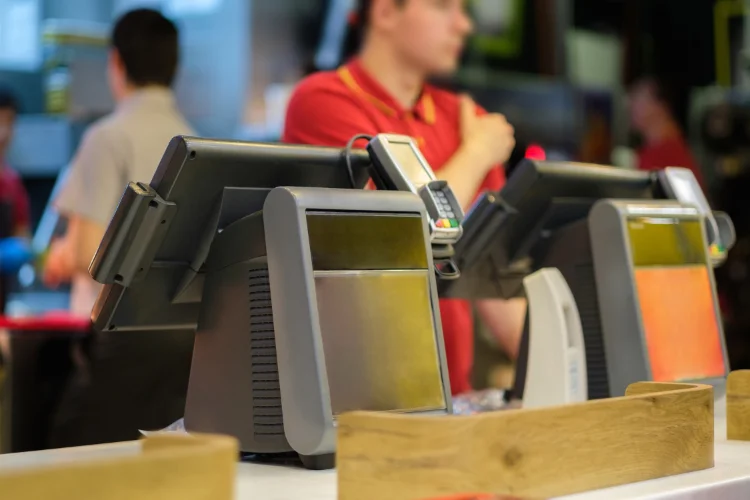 Fast food restaurants create the perfect environment for flies. Constant food preparation, busy drive-thru operations, frequent deliveries, and a steady stream of customers all increase the likelihood of flies finding their way indoors. Successfully resolving an infestation requires more than eliminating the flies you can see. The most effective strategy combines removing active fly populations with reducing breeding opportunities and preventing new flies from entering the building.
For restaurant owners and managers, this can quickly become overwhelming. Besides creating an unpleasant customer experience, flies threaten food safety, employee health, and regulatory compliance. Thankfully, you don’t have to fight them alone.
Build a Long-Term Fly Management Program
The most reliable way to control flies is with an ongoing commercial pest management program, rather than relying on over-the-counter products or periodic chemical applications.
At Anderson Pest Solutions, we develop customized fly management plans designed specifically for fast food operations. Every restaurant has different traffic patterns, layouts, and sanitation challenges, which is why we customize every program. Professional service is the first step, but long-term success also depends on daily sanitation and operational procedures performed by your staff.
Identify the Fly Issue You’re Dealing With
Not every fly behaves the same way. Different species breed in different environments and require various control methods. Determining which flies are present is one of the first and most important steps toward eliminating the infestation.
| Fly Type | Breeding Locations & Attractants | Common Problem Areas |
| Fruit Flies | Fermenting sugars, syrups, and beverage residue | Soda stations, beverage counters, bars |
| Drain Flies | Organic buildup and biofilm | Floor drains, sink drains, grease traps |
| Phorid Flies | Decaying organic matter and sewer issues | Trash storage, wall voids, structural gaps |
| House Flies | Outdoor garbage and food waste | Back doors, loading docks, drive-thru windows |
The Steps of Fly Prevention
Because fast food restaurants operate for long hours, or even around the clock, traditional chemical treatments alone rarely provide lasting control. Successful fly management combines three essential components: strategically placed Insect Light Traps (ILTs), physical exclusion measures, and employee education.
Strategic Insect Light Trap Placement
Insect Light Traps (ILTs) provide excellent control for house flies, fruit flies, and phorid flies, although they are generally less effective against drain flies. Their effectiveness depends heavily on where they’re installed.
When you partner with Anderson Pest Solutions, we’ll evaluate your building and position each trap where it delivers the greatest benefits, while continuing to monitor and adjust placement as conditions change.
- Optimal Height: Install wall-mounted units approximately 3 to 6 feet above the floor.
- Interception Traps: Position traps between building entrances and food preparation areas.
- Avoid Food: Avoid placing traps directly above food handling locations.
- Clearance Margins: Maintain at least five feet of clearance from food production areas (three feet for glue-board units).
- Maintenance: Replace bulbs and service components routinely to maintain performance.
Stop Flies From Entering with Structural Exclusion
Keeping flies outside is easier than removing them after they’ve entered. Although restaurants naturally experience constant foot traffic and deliveries, improving the building’s exterior can significantly reduce the number of indoor flies.
- Air Curtains: Install air curtains above delivery doors, kitchen entrances, and drive-thru windows.
- Closed Doors: Keep exterior doors closed whenever possible instead of leaving them propped open.
- Facility Maintenance: Regularly inspect weather stripping, door sweeps, screens, and exterior sealants for damage.
- Dumpster Management: Position dumpsters and trash containers at least 25 feet away from entrances whenever practical, keep lids closed, and clean them routinely.
Employee Training to Recognize Issues Early
Even the best pest management programs require daily support from restaurant staff. Employees who understand sanitation procedures and early warning signs can prevent minor fly activity from becoming a widespread infestation.
- Rapid Response: Employees should be prepared to quickly take care of cleanups and proper trash storage.
- Proactive Auditing: Routine inspections of drains, drip trays, storage areas, and waste collection points.
- Pay Special Attention in Sensitive Areas: Pay extra attention to sanitation in high-risk locations throughout the facility.
Ready for a How to Remove Flies in a Fast Food Restaurant Quote?
Click the button below to leave your information and we'll be in touch with a free quote!
Tips to Protect Vulnerable Areas such as Soda Fountains, Drive Thru Windows, and Floor Drains
Certain locations consistently create conditions that flies love. Paying extra attention to these areas dramatically reduces future infestations.
Beverage Stations
Soft drink stations frequently attract fruit flies because sugary residue accumulates around nozzles, drip trays, and drain lines.
- Nightly Soaks: Soak soda nozzles and drip trays each night using an approved sanitizing solution.
- Enzymatic Line Cleaning: Treat drain lines beneath beverage stations with bio-enzymatic foam products.
- Conditioning Strips: Install drip tray conditioning strips to minimize buildup.
- Hourly Wipedowns: Wipe beverage counters throughout the day using food-safe sanitizers.
- Strategic Trash Placement: Keep trash containers away from drink stations whenever possible.
Food Preparation Areas
 Kitchen prep spaces provide warmth, moisture, and food residue that allow several fly species, especially drain flies, to thrive.
- Remove Biofilm Daily: Floor drains should be scrubbed every day with a stiff-bristled brush to remove the biofilm lining the inside of the drain. After scrubbing, apply a bio-enzymatic cleaner or foam treatment to kitchen floor drains, sink drains, garbage disposals, and other plumbing fixtures. For facilities with persistent buildup, professional commercial drain cleaning may be beneficial.
- Eliminate Standing Water Promptly: Flies are drawn to damp environments. After mopping, pressure washing, or equipment cleaning, use squeegees or wet/dry vacuums to remove any pooled water before it has a chance to become a breeding site.
- Clean Hidden Surfaces Thoroughly: Food particles and grease collect beneath equipment, around wheel casters, table legs, and support brackets where routine cleaning may be overlooked. Regularly cleaning these areas removes hidden food sources that can attract flies.
- Store Cleaning Equipment Properly: Damp mops, rags, and cleaning cloths should never be left piled in buckets or leaning against walls. Instead, hang them in well-ventilated areas with the strands hanging downward so they can dry completely.
Grease Trap & Drains
Grease traps and drainage systems often become major breeding sources because organic waste accumulates inside plumbing.
- Maintain a Consistent Grease Trap Cleaning Schedule: Grease traps should be professionally pumped and cleaned on a regular schedule before grease, sludge, and food waste have an opportunity to accumulate. When grease traps are neglected, they become ideal breeding sites for drain flies and phorid flies.
- Treat Pipes Between Professional Cleanings: In addition to routine grease trap service, regularly apply biofoam or enzyme-based drain treatments directly into sink drains, floor drains, and connected plumbing. This not only helps eliminate foul odors but also removes the breeding material relied upon by drain flies, fruit flies, and phorid flies, making it much more difficult for infestations to begin.
Protect Your Restaurant With Professional Fly Management
Effective fly control isn’t accomplished with a single treatment. It requires a coordinated program that combines professional monitoring, properly installed equipment, structural improvements, and disciplined sanitation practices. Our commercial pest specialists provide the expertise, ongoing service, and preventative recommendations needed to protect your operation.
Contact Anderson Pest Solutions today to schedule your commercial fly management consultation.