
What Happens to Pests in the Fall? Your Illinois & Indiana Fall Pest Guide
Serving Chicago Illinois and Indiana
Key Takeaways:
- Fall is prime time for pests to invade Illinois and Indiana homes in search of shelter from the cold.
- The pests most likely to get inside are the ones that hide completely out of sight behind your walls and inside your attic.
- Homeowners must protect their properties by sealing exterior structural gaps, clearing yard debris, and eliminating moisture.
- Getting professional help early is the only reliable way to stop an infestation once pests have successfully moved indoors for the winter.
Fall Pests to Watch Out For
Everyone knows pests run rampant during the summer months, but what happens to pests in the fall? As the weather begins to shift into the cooler months, many summertime pests will die off. However, a number of insects and rodents will begin to seek out resources and shelter for the winter.
If you’ve noticed an increase in insects in your home as autumn rolls around, it’s not your imagination, and it’s not just you. It’s the result of pests trying to get out of the increasingly cold weather in Illinois and Indiana. Some pests migrate to warmer climates, and some burrow under yard debris, while others try to get directly into our homes to warm up. The scientific term for this phenomenon is overwintering.
The form of overwintering that most directly affects you is when fall pests enter your living spaces. To keep your family safe from invasive fall pests, it is essential to know what to watch out for and how to protect your property.
Top 5 Fall Pests in Indiana & Illinois
Some of the most difficult overwintering pests to get rid of are the ones you can’t see because they hide out in the attic or behind your walls. Here are the primary culprits invading local homes this season:
#1) Asian Lady Beetles
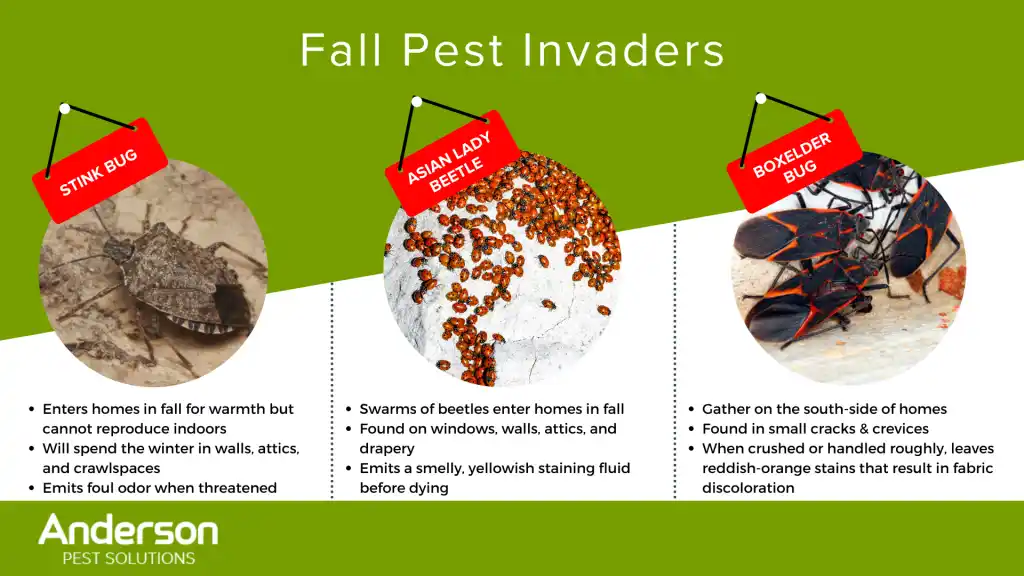
As the weather cools, these ladybug look-alikes gather in massive numbers on the sunny sides of homes before pushing their way indoors. While they are harmless to your home’s structure, the sheer number of Asian lady beetles makes them a major seasonal nuisance.
- Mass Swarms: They release pheromones that attract hundreds or thousands of beetles to the exact same wall or attic space.
- Staining Fluid: When threatened or crushed, they emit a yellowish defense liquid that smells foul and permanently stains fabrics and walls.
- Allergy Triggers: As dead beetles accumulate and break down inside walls, their airborne remains can trigger asthma and respiratory issues.
#2) Rodents (Mice & Rats)
Mice and rats actively trail the escaping heat from your home as autumn temperatures dip. Once inside, they quickly move into quiet areas like attics and wall voids to build winter nests.
- Expert Climbers: A house mouse can run straight up an eight-foot brick or siding wall in under 30 seconds to reach your roofline.
- Tiny Entryways: Mice only need a gap the size of a dime ($1/4$ inch) to squeeze inside, while rats can fit through a hole the size of a quarter.
- Hidden Hazards: To keep their teeth sharp, they chew constantly, damaging insulation, ruining drywall, and gnawing through live electrical wires.
#3) Stink Bugs
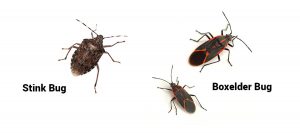 The brown marmorated stink bug is an invasive pest that spends the summer feeding on outdoor plants before searching for tight, quiet indoor gaps to survive the freezing winter months.
- Hidden Shelters: They prefer to overwinter in dark, undisturbed areas like window trim, baseboard cracks, and ceiling light fixtures.
- Foul Odor: They possess specialized glands that release a sharp, pungent stench whenever they are handled, frightened, or crushed.
- Winter Wake-Ups: Indoor heating or a warm winter day can confuse them, causing them to suddenly emerge into your living spaces mid-winter.
#4) Subterranean Termites
Eastern subterranean termites remain a year-round threat to your home’s structure. In the fall, their shifting habits make them much harder to detect, giving them the perfect cover to cause costly, hidden damage.
- Deeper Burrowing: As topsoil freezes, they move deeper underground outdoors, meaning homeowners rarely spot them until spring.
- Continuous Feeding: If termites have already breached your heated basement or crawl space, they will actively eat wood all winter long.
- Hidden Signs: Warning signs include unexplained blisters on painted wood, hollow-sounding trim, and pinhole-sized holes in drywall.
#5) Wasps
While the standard worker wasps die off during the first hard freeze, fertilized queens are highly resourceful. Wasps spend the fall searching for structural gaps to preserve the future of their colony.
- Royal Survivors: Only future queen wasps survive the winter by hiding under loose roof shingles, behind shutters, or inside attic vents.
- Autumn Aggression: In early fall, as natural food sources disappear, wasps become desperate for sugar and much more aggressive around homes.
- Spring Rebuild: A single queen overwintering in your attic will wake up in the spring to immediately build a brand-new colony on your property.
Other Common Fall Invaders
In addition to the primary pests listed above, you may notice a sudden seasonal spike in:
- Ants: Cooler weather causes outdoor food sources to disappear, forcing ant trails indoors in search of sweets and fats.
- Flies: Cluster flies, fruit flies, and house flies will actively seek out structural heat emitting from window frames as the weather changes.
- Boxelder Bugs: Like stink bugs, these bright red-and-black marked insects are infamous for swarming the sunny western and southern brick facades of homes before invading interior walls.
- Cockroaches: As long as they have access to warm and moist environments, roaches will remain active and breed year-round inside utilities and kitchens.
Ready For a Free Pest Control Quote?
Click the button below to leave your information and we’ll be in touch with a free quote!
When Do Pests Die in the Fall?
Don’t just put pest control off on the idea that the coming cooler weather will solve your problems. The idea that a cold snap kills off all pests is a myth. While some insects drop dead at the first freeze, many common Illinois and Indiana pests have evolved survival strategies to escape the weather.
| Pest | Do They Die in the Fall? | What Actually Happens to Them |
|---|---|---|
| Wasps | Partially | The entire worker colony dies off during the first hard freeze, but fertilized future queens survive by hibernating under shingles or inside attic spaces. |
| Asian Lady Beetles | No | They do not die. They enter a state of dormant hibernation called diapause and survive the winter inside warm wall voids or attics. |
| Stink Bugs | No | Like lady beetles, they use your home’s structural heat to survive. They stay dormant in quiet cracks until early spring. |
| Subterranean Termites | No | They never die off from winter. Outdoors, they simply burrow below the frost line. Indoors, they continue to eat wood year-round. |
| Rodents (Mice/Rats) | No | As warm-blooded mammals, they absolutely cannot handle freezing temperatures outdoors. They will migrate indoors to build permanent winter nests. |
Which Pests Do Die Off in the Fall?
- Worker Wasps, Hornets, and Yellowjackets: Starvation and the first hard freeze wipe out the entire worker population, leaving the summer nest completely dead.
- Outdoor Fleas: Adult fleas, larvae, and eggs living in grass or soil die off once outdoor temperatures drop below 37°F for a consecutive week or two.
- Praying Mantises: Adults naturally die of old age and the autumn cold immediately after the females finish gluing their hardened winter egg cases to twigs.
- Crickets and Grasshoppers: Heavy frosts kill off the noisy adult populations after they finish burying their cold-hardy eggs deep into the soil.
- Mosquitoes (Certain Species): Many common backyard biting species die off completely in late autumn after laying dormant eggs in floodplains and damp soil to hatch next spring.
How to Prevent Fall Pests: A Step-by-Step Guide
Eliminating a pest’s chance of making its way inside is the single best way to avoid a severe infestation in the fall and winter. Taking a proactive, outside-in approach will keep them from succeeding.
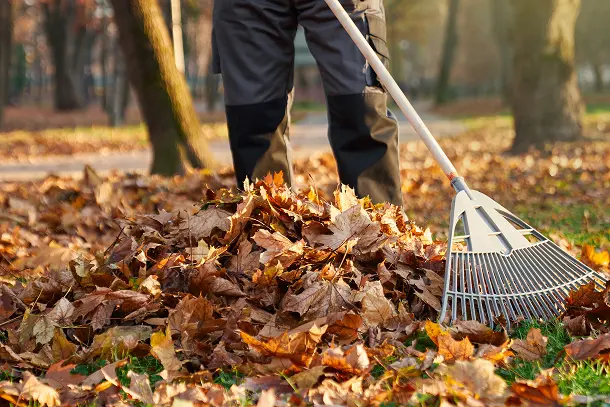
Start by clearing the perimeter. Remove all debris, fallen leaves, and overgrown vegetation in your yard and directly around the foundation of your home. Move firewood piles at least 20 feet away from the structure, as these serve as primary staging grounds for overwintering pests.

Seal the exterior shell. Repair damaged window and door screens. Use a high-quality silicone-latex caulk to seal any cracks or crevices around your siding, foundation, and window trim. Double-check your roofline, ensuring there are no cracked shingles or gaps in your fascia boards where wasps or rodents can slip through.

Eliminate moisture attractants. Fix any lingering moisture problems, including leaky outdoor spigots, sweating pipes, and faulty crawl space or basement faucets. Overwintering pests require a water source to survive the dry winter air inside a home.

Always keep a clean and tidy atmosphere indoors to discourage foraging insects. Keep kitchen counters swept, vacuum frequently to remove pest pheromone trails, and store pantry items in airtight plastic or glass containers.
Experienced Local Exterminators in Illinois & Indiana
 If you are already noticing the signs of pest or insect activity inside your walls, attic, or living spaces, it’s time to call in a professional. Once pests have safely established themselves deep inside wall voids for the winter, DIY sprays are rarely effective.
Anderson Pest Solutions has been providing Illinois and Indiana with high quality, reliable seasonal pest control services since 1913 – and we also offer year-round pest protection with PestFree365+. Our experienced local team knows exactly how to get current overwintering populations under control and how to seal your home to prevent future invasions.
Don’t let invasive pests spend the winter under your roof. Call Anderson Pest Solutions today for a free quote!