
Key Takeaways:
- A chronic American cockroach infestation in a hospital laboratory highlighted how pest activity directly compromises infection control, bio-containment, and diagnostic integrity in healthcare settings.
- Thorough inspection revealed the root cause was an operational oversight involving unused, dried-out sink drains that created an open pathway from subterranean sewers into the sterile lab.
- The pest control team resolved the issue without structural overhauls by implementing LEED-compliant protocols, staff maintenance routines, and specialized one-way drain valves.
- Addressing pest risks in clinical environments requires tailored integrated pest management strategies that meet strict regulatory and auditing standards.
 Case Study: Protecting a Sensitive Hospital Lab from American Cockroaches
Introduction – The Situation
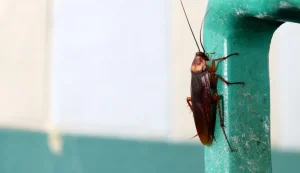
We received a call from a Midwestern hospital experiencing a chronic infestation of American cockroaches in its lab. The Anderson Pest Solutions team performed a thorough assessment aimed at discovering the root cause of the issue and created a custom treatment plan to help solve a concerning problem for lab technicians.
Common Cockroaches In Healthcare Facilities
If you’re dealing with a cockroach infestation in your healthcare facility, it’s most likely to be one of these three species:
The Risks: Vector Transmission & HAIs in Healthcare Facilities
In a clinical or laboratory environment, pest activity represents a direct breach of infection control standards. Because American cockroaches frequently harbor in unsanitary habitats — including municipal sewer systems, drain networks, and utility tunnels — they function as mechanical vectors for opportunistic pathogens.
- Healthcare-Associated Infections (HAIs): Roaches carry pathogenic micro-organisms like Pseudomonas aeruginosa, E. coli, and Salmonella species on their exoskeletons and digestive tracts, posing a direct threat of nosocomial transmission to sterile environments and sensitive diagnostic specimens.
- Asthma and Respiratory Triggers: Cockroach shed skins and frass emit potent airborne allergens, capable of exacerbating respiratory conditions and triggering acute asthma attacks in sensitive patient populations and facility personnel.
- Operational & Diagnostic Disruption: Measuring up to two inches in length and moving rapidly, these large peridomestic pests compromise strict bio-containment protocols, threaten laboratory accreditation, and disrupt time-sensitive medical testing.
What Are the Main Challenges?
There are a few challenges that are common to solving cockroach infestations in commercial environments – especially healthcare facilities. They include:
| Pest Factor | Facility Risk | Operational & Clinical Impact |
|---|---|---|
| Peridomestic Habits (Able to Survive Indoors or Outside) | Moves easily between sewers/steam tunnels and indoor spaces. | Multi-point intrusions that perimeter sprays can’t fix. |
| Pathogen Vector | Carries sewage-borne pathogens into sterile environments. | High risk of sample contamination and HAIs. |
| Zero-Tolerance Zone | Diagnostic labs require absolute hygiene for accurate testing. | A single sighting invalidates tests and risks audit citations. |
| Hidden Access | Enters through structural/plumbing gaps (e.g., dry P-traps). | Surface treatments fail; chronic infestations persist. |
Findings from a Thorough Hospital Pest Inspection
Our cockroach management technicians conducted a thorough inspection, and after carefully monitoring the situation, were able to determine that the American cockroaches were gaining access to the lab via unused sink drains.
Root Cause Analysis: Dry P-Traps and Maintenance Gaps
During the investigation, our technicians discovered that lab staff had covered several drains with paperwork. This operational oversight left the drains unused, causing the water within the built-in P-traps to evaporate over time. The resulting dry trap can emanate odors and make pest movement easier.
- P-Trap Breakdown: Plumbing P-traps rely on a continuous water barrier to block sewer gases and physically impede pest migration. Once the trap dries out, it creates an open highway from the municipal sewer system directly into the facility.
- Compounding Operational Factors: The combination of dried-out water traps, lack of routine drain sanitation, and minimal staff awareness created ideal conditions for chronic American cockroach intrusions.
Bottom Line: The infestation was not caused by structural failure, but by improper drain coverage and routine maintenance neglect—allowing pests uninhibited access from subterranean pipes into the sterile lab environment.
Safe and Effective Healthcare Cockroach Management
As soon as we discovered the origin of the chronic cockroach infestation, we set to work creating a customized solution. In a healthcare environment, a customized solution is imperative for the overall safety and well-being of patients, and also, for ensuring the problem is solved as quickly as possible.
Here’s how we designed a tailored solution for the needs and requirements of this particular hospital and its medical lab:
- Because this hospital was certified under the LEED program, LEED protocols were required to resolve the issue.
- Staff were asked to create a routine maintenance plan which included a regular cleaning program for drains, as well as the routine addition of water to drains to help maintain water traps.
- Specialized one-way drain valves were inserted into the drain pipes. They allow for downward water movement but do not allow for insects to come up from the drain pipe into the occupied spaces above.
Summary – How to Eliminate a Cockroach Infestation in a Hospital Setting
Our specialized healthcare pest control technicians successfully identified the root cause of the chronic pest issues within the facility. In this case, the team discovered that American cockroaches were actively entering the building by traveling through unused, dried-out drains.
While the details of every infestation are different, they all have one thing in common. From joint commission compliance to strict bio-containment standards, sensitive clinical spaces can’t afford recurring pest issues. Our commercial pest management specialists understand the unique regulatory, audit, and operational demands of healthcare environments.
- Rapid Response: On-site quickly for urgent clinical alerts.
- Audit-Ready Documentation: Comprehensive IPM logging for LEED, Joint Commission, and local health department standards.
- Long-Term Prevention: Protect your facility from future issues.
Reach out to us today to schedule your on-site commercial pest audit.
Back to Pest Control for Healthcare Facilities – Medical Offices, Hospitals, Clinics & More